
Capability 02 — Protocols & Integration
The protocol is a contract. We test it like one.
A radio that transmits is not an integration. Integration means the receiver accepts the frame, the pairing flow can be completed by the intended person and a failed link can be recovered without a site visit.
Protocol matrix
What we implement, and how it is verified.
The verification column is the important one. It states what evidence you receive, not what we hope the link will do.
| Link | Typical use | Our role | Verification |
|---|---|---|---|
| Infrared | TV, projector, audio, set-top box | Code library, learned codes, discrete commands | Test on the agreed device list; coverage reported as tested models |
| Bluetooth LE | Streaming devices, voice, app pairing | HID or custom GATT service, pairing and recovery | Two-device interoperability test and reconnection cases |
| Sub-GHz RF | Furniture, shades, simple remotes | Receiver matching, fixed or rolling code | Range test through the product enclosure and representative obstruction |
| 2.4 GHz proprietary | Hubs, AV integration, multi-device control | Frame implementation against your receiver | Frame-level test with your vectors, plus coexistence check |
| Zigbee RF4CE | TV and set-top ecosystems, operator handsets | RF4CE profile implementation, pairing and rejoin | Pairing, rejoin and key-mapping test on the agreed target devices |
| Wi-Fi | Wi-Fi Director class products, cloud-linked control | Module integration, provisioning, cloud link | Provisioning, reconnect and latency test on the agreed router set |
| Matter / Thread | Smart home ecosystems | Scoped as an integration project | Commissioning and certification path agreed before commitment |
“Verified” always means tested on an agreed sample and device list. It does not mean universal compatibility with every unit in a brand’s installed base.:
Interaction
Buttons are one input. These are the others.
Voice, pointing and motion run on the same radio and the same test discipline. What changes is the sensor stack and the firmware budget.
6-axis air mouse
Gyroscope and accelerometer fusion for pointer control. Drift and jitter are tuned on the target host, not on a bench.
Voice remotes
MEMS microphone, wake-word or push-to-talk, audio path tested with the actual codec and the BLE profile the host expects.
Motion and game control
Gesture recognition at fixed sample rates. Latency and false-trigger rate are measured against the game, not described.
Learning and universal
A learning head plus a code library. Coverage is reported as the device list we tested, not as the size of the library.
Silicon: Telink, Realtek, HS6621C, Actions and OnMicro. BLE 4.2, 5.1 and 5.2 designs stay in supply side by side, because a running model keeps its platform — changing it is a new program with its own validation, not a silent substitution.:
Integration sequence
Four steps from document to signed test plan.
Read the contract
Frame format, services, timing, security and error behavior. We list what is missing before estimating the work.
Build against a receiver
Firmware is developed against your receiver or hub sample, not a generic development board.
Test the unhappy paths
Lost link, failed pairing, interrupted update, replaced handset. These cases decide field support cost.
Freeze and document
The test plan, firmware version and known limitations are signed before production release.
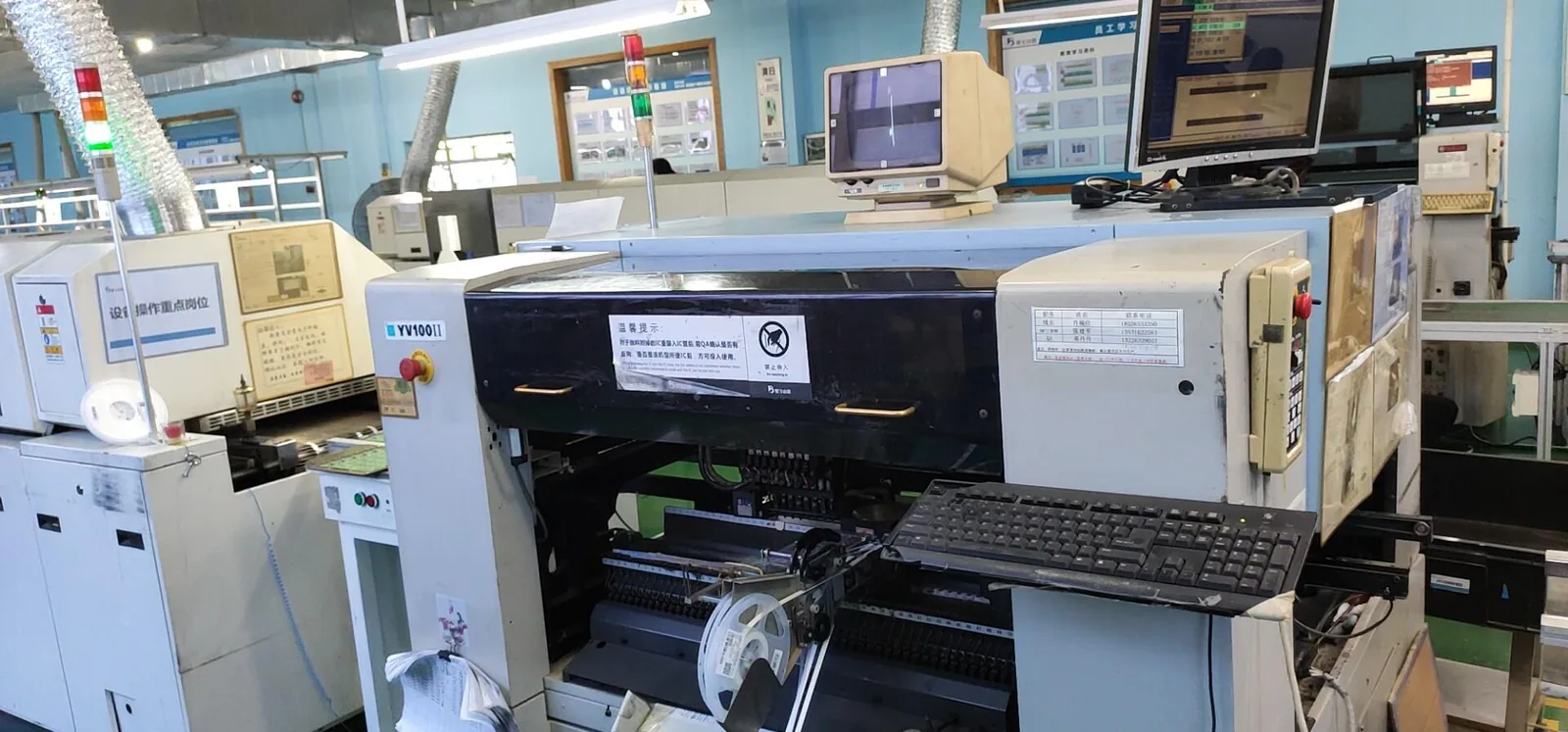
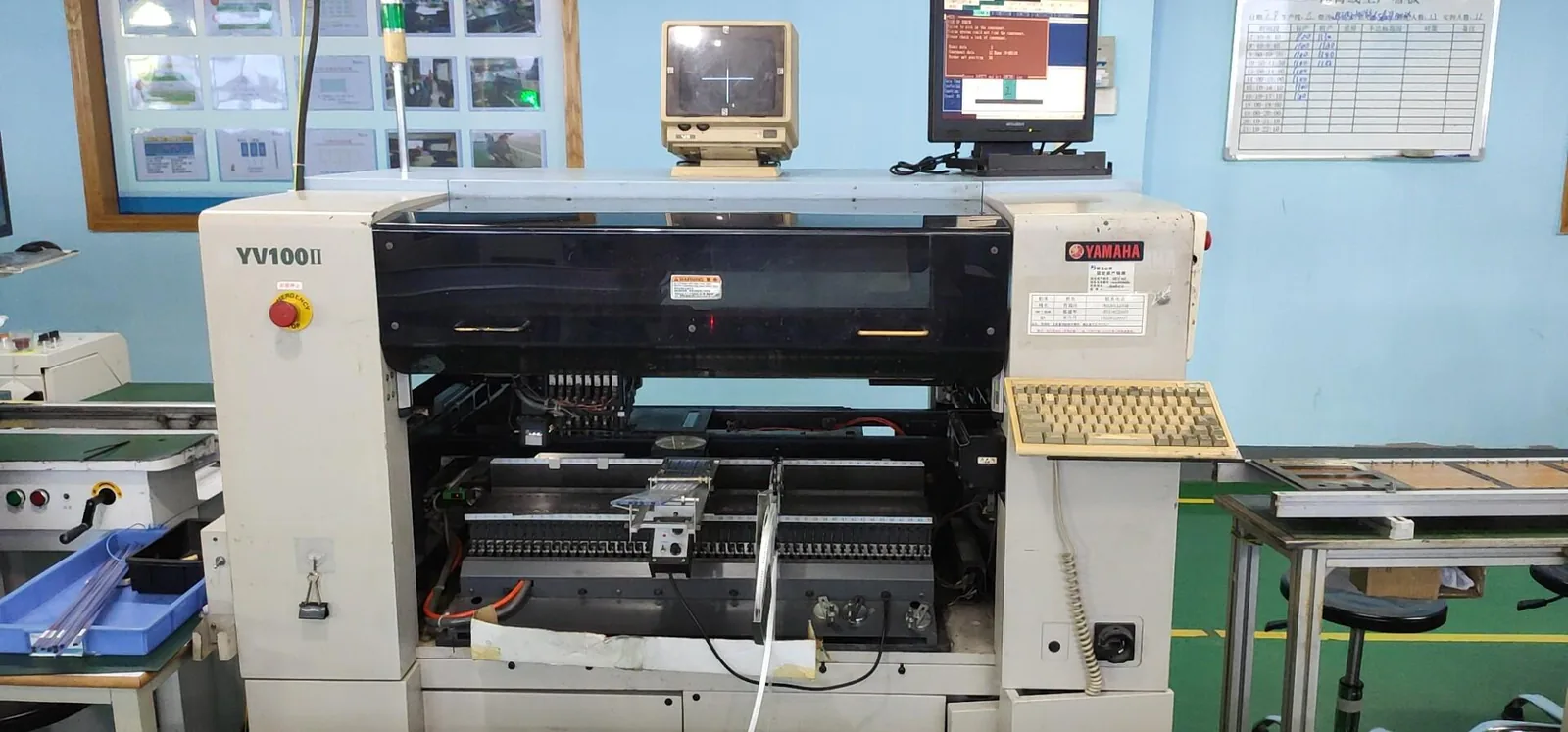
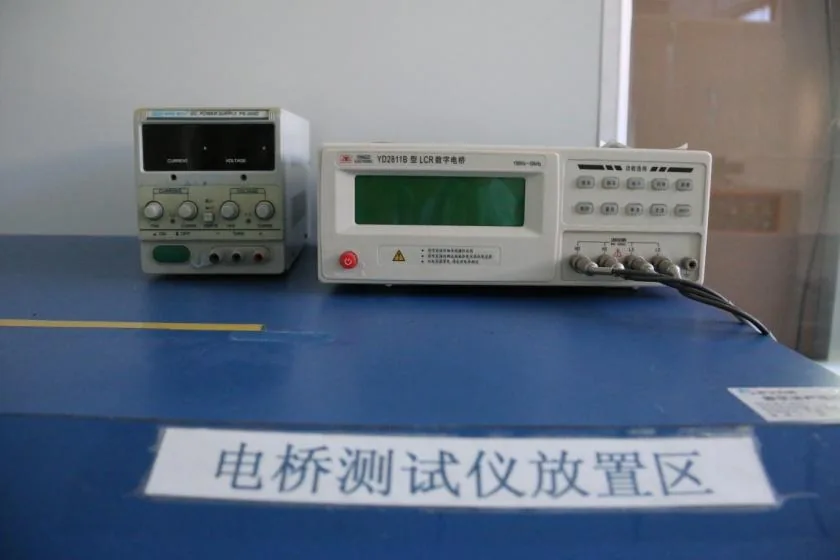
Built and verified in the same building
Test plan
The cases we insist on testing.
A protocol can pass a happy-path demo and still fail in a hotel room or a living room. The test plan is written to find those failures before the pilot build.
- First-time pairing completed by someone who has not seen the product
- Reconnection after the receiver reboots or the handset leaves range
- Behavior when two handsets are bound to one receiver
- Latency and repeat behavior under held keys
- Range through the final enclosure and a representative obstruction
- Recovery from an interrupted firmware update
Compatibility checker
Not sure which path your device needs?
The checker maps a device type, protocol and requirement to an engineering path. It returns a scoping answer — not a claim that a specific brand has been certified.
Device · protocol · requirement
Use the interactive checker to see whether your project is a standard path, needs a prototype, or requires a scope review.
Questions
Protocol FAQ
Can you guarantee compatibility with a specific TV brand?
Do you reverse-engineer proprietary protocols?
Is BLE secure enough for access or payment use?
Can the same handset ship in IR-only and IR+BLE versions?
Start a project
Send the frame format. We will send the questions.
The gaps in a protocol document are usually the same ones that become field failures. Better to find them now.